

Xi’an, historically known as Chang’an, is one of the most important cradles of Chinese civilization, with a history of over 3,100 years of urban settlement and more than 1,100 years as a national capital.

As the starting point of the ancient Silk Road, this city ranks among the world’s most famous historical capitals like Rome, Athens, and Cairo, holding the distinction of being the longest-serving capital among China’s six great ancient capitals.
Today, Xi’an is not only the capital of Shaanxi Province and a vital national hub for scientific research and education, but also a tourist city with enduring charm.
City Overview: From Chang’an to Xi’an
Xi’an is situated in the Guanzhong Plain in the middle reaches of the Yellow River, covering a total area of 10,108 square kilometers with a resident population of 13.1676 million. The city’s terrain is higher in the south and lower in the north, consisting mainly of plains and mountains, featuring a warm temperate semi-humid continental monsoon climate with distinct seasons and moderate rainfall.

Xi’an is the earliest and longest-serving ancient capital in China, having served as the capital for 13 dynasties including the Western Zhou, Qin, Western Han, Xin, Eastern Han, Western Jin, Former Zhao, Former Qin, Later Qin, Western Wei, Northern Zhou, Sui, and Tang dynasties. In 1981, Xi’an was designated as a “World Historical City” by UNESCO.
In 2024, Xi’an’s GDP reached 1,331.778 billion yuan. It is not only an economic center in Western China but also an international comprehensive transport hub and an international tourist destination.
Representative Tourist Attractions: A Journey Through Millennia of History
Emperor Qinshihuang’s Mausoleum Site Museum
Known as the “Eighth Wonder of the World,” the Terracotta Army was accidentally discovered in 1974 by local farmers digging a well. The museum showcases the life-sized terracotta warriors and horses of Emperor Qin Shihuang’s underground army.

Pit No. 1 is a vaulted exhibition hall, while Pit No. 3 served a “command post” function, displaying the military organization of the Terracotta Army. Standing before these terracotta figures from over 2,000 years ago, one can sense the formidable power of the Qin Empire.
Xi’an City Wall
The Xi’an City Wall is the largest and most completely preserved ancient city wall in China, with a circumference of 13.74 kilometers. Built upon the foundation of the Tang Dynasty imperial city, the wall has a history of over 600 years. Visitors can cycle or walk along the wall, overlooking the ancient city’s landscape and experiencing the weight of history.

Giant Wild Goose Pagoda
Also known as the “Dayan Pagoda,” this pagoda was built by the renowned Tang Dynasty monk Xuanzang to preserve the Buddhist scriptures and artifacts he brought back from India.

As the earliest and largest surviving Tang Dynasty square pavilion-style brick pagoda, it stands as typical evidence of Buddhism’s integration into Chinese culture. Visitors can climb to the top for a panoramic view of Xi’an.
Bell Tower
The Xi’an Bell Tower is the largest and best-preserved bell tower in China, located at the intersection of the four main streets in the city center. “

There is a Xi’an beauty called the Bell Tower at night” – it is not only an essential photo spot for tourists but also a sight that captivates locals.
Huaqing Palace
Located 30 kilometers east of Xi’an, adjacent to the Terracotta Army site, Huaqing Palace was the Tang Dynasty imperial hot spring garden. It gained fame for the love story of Emperor Tang Minghuang and his concubine Yang Guifei, and as the site of the “Xi’an Incident.” Visitors can explore the imperial bathing pools and exhibitions related to the legends of Yang Guifei.
Tang Paradise
Tang Paradise is China’s first large-scale royal garden-style cultural theme park that comprehensively showcases the grandeur of the Tang Dynasty.

Built north of the original Tang Dynasty Hibiscus Garden ruins, the park features many replica Tang buildings like Ziyun Tower, Ladies’ Hall, and Imperial Banquet Hall, forming the largest collection of replica Tang royal architecture in China.
Shaanxi History Museum
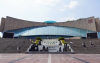
The Shaanxi History Museum is China’s first large modern national museum. Its collection is vast in quantity, complete in categories, high in quality, and broad in value.

The exquisite Shang and Zhou Dynasty bronze ware, the diverse terracotta figurines from various dynasties, the unparalleled Han and Tang Dynasty gold and silver artifacts, and the unique Tang Dynasty tomb murals are all highlights.
Culinary Experiences: A Taste of Xi’an
Xi’an’s cuisine blends Northwestern flavors with local character, ranging from Tang Dynasty imperial dishes to vibrant street food, each with its own story.
Must-Try Snacks
Pita Bread Soaked in Lamb/Beef Soup:
An intangible cultural heritage and Xi’an’s culinary signature. The essence lies in breaking the bread into soybean-sized pieces by hand, then quickly cooking them in a broth simmered for hours.

The soup is rich, the meat tender, and the bread chewy. Enjoy with pickled garlic to cut the richness. Laosunjia and Tongshengxiang are renowned time-honored brands.
Chinese hamburger:
A provincial intangible cultural heritage. Pork belly is slowly stewed in a century-old master broth until fat is not greasy and lean meat is not dry, then stuffed into a freshly baked “white吉” bread.

The meat and bread aromas burst forth together. Fanji and Qinyu Rougamo are popular choices.
Biangbiang Noodles:
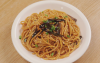
Named for the “Biang Biang” sound made when slapping the dough against the counter. Hand-pulled noodles, as wide as a belt, are chewy and smooth.

Sizzling hot oil is poured over chili powder and minced garlic, releasing an instant aroma.
Liangpi:
A staple in the daily diet of Xi’an locals, categorized into Qin Town rice skin, sesame paste liangpi, and hand-stretched noodle skin.

The classic combination is Rougamo, Liangpi, and Bingfeng soda, known as the “San Qin Set Meal.”
Gourd Chicken:
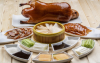
Hailed as the “First Taste of Chang’an,” a whole chicken undergoes three cooking processes – boiling, steaming, and deep-frying – resulting in golden, crispy skin resembling a gourd and tender, fall-off-the-bone meat, originating from Tang Dynasty imperial cuisine. The Xi’an Restaurant is a famous place to try this dish.

Food Streets
-
Muslim Quarter: Not just a single street, but a general term for multiple streets within the Muslim neighborhood in central Xi’an. It comprises Beiyuanmen, North Guangji Street, Xiyangshi, Dapiyuan, and other streets. This area is the central hub for Xi’an snacks. As a Muslim district with centuries of history, it also offers a strong sense of Muslim culture.

-
Yongxingfang: A great place to sample a wide variety of Shaanxi snacks in one location, including intangible cultural heritage foods.

Travel Tips
-
Best Season: The best times to visit Xi’an are spring (March to May) with warm weather and blooming flowers, and autumn (September to November) with cool, pleasant temperatures.
-
Transportation: Xi’an is an international comprehensive transport hub. Public transportation or taxis are recommended for getting around.

-
Itinerary Planning: Consider visiting the Terracotta Army and Huaqing Palace on the same day as they are both located in the Lintong District. Attractions in the city center, like the Giant Wild Goose Pagoda and the Bell and Drum Towers, can be arranged for another day.
-
Important Notes: Some attractions require online reservations in advance. Arriving early is recommended, especially during holidays due to crowds. Respect cultural relics and exhibition rules; do not touch exhibits.

Conclusion
Xi’an, this ancient capital carrying the millennial memory of Chinese civilization, welcomes visitors from all over the world with its profound depth and inclusive openness. Whether walking on the ancient city wall, tasting authentic Pita Bread Soaked in Lamb Soup, or gazing in awe at the Terracotta Army, in this city, you will always find a way to converse with history.





No comments yet